

Cheap spells
ResourceLow-cost spells keep the chain moving while still interacting or filtering.
Strategy Intelligence
Spellslinger decks cast a high density of spells, convert those casts into cards, tokens, damage, mana, or board advantage, and sustain the chain through efficiency and recursion.
What Changed
Spellslinger is a strategy inside the broader Spells Matter theme. It needs repeated casting, copying, recursion, or spell-chain payoffs before a card belongs here.
Driver: Storm, Vivi, Y'shtola, spell-density payoffs, and Magecraft support packagesStrategy Sequence
Develop mana, cost reduction, card selection, and payoff permanents before trying to chain spells.
Use efficient spells to interact, draw, filter, protect the engine, or advance the deck's plan.
Convert each cast or copy into cards, tokens, damage, counters, mana, or another useful resource.
Use low-cost spells, mana refunds, spell copying, recursion, or card replacement to keep casting.
Turn accumulated triggers, tokens, damage, spell count, or card advantage into a decisive position or win.
Active Drivers
Deck Intelligence
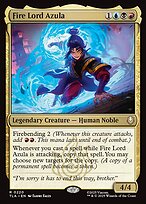
Azula supplies temporary combat mana and copies every spell cast while she attacks, making combat-window spell sequencing the deck's primary plan.
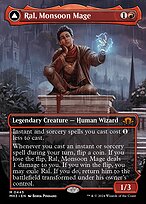
CommanderRal, Monsoon MageRal turns repeated instant and sorcery casting into cheaper spell chains, making Spellslinger the reviewed public strategy link.
CommanderStorm, WindriderHer support cards are easiest to read as a spellslinger package: cheap spells, copy effects, extra casts, and payoffs.
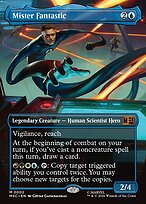
PreconThe Fantastic FourThe decklist points players toward spellslinger upgrades such as spell copying, cast triggers, card flow, and payoff creatures.
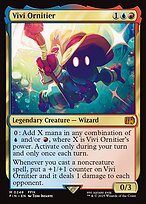
CommanderVivi OrnitierThe support package is spellslinger: rituals, cantrips, burn payoffs, copy effects, and big spell chains.
CommanderY'shtola, Night's BlessedY'shtola rewards noncreature spells with damage, life gain, and end-step card draw, so spell density and repeated spell turns are the first public Strategy link to check.
Resource Model
Low-cost spells keep the chain moving while still interacting or filtering.
Treasure, rituals, and cost reduction let the deck cast more spells in the same window.
Cantrips and Magecraft draw help the deck avoid spending all resources on one turn.
Some builds reuse spells from the graveyard when the deck can support another chain.
Payoff Model
Magecraft and draw payoffs turn spell density into sustained access.
Spell-cast token makers convert the chain into board presence.
Burn payoffs reward repeated casts without needing combat.
Storm-style cards and copied spells turn spell count into a decisive turn.
Cards To Check
A baseline spell-cast payoff that turns repeated instants and sorceries into bodies.
TriggerCheck versionsMagecraft drawArchmage EmeritusRewards spell density with card flow, but exact versions should be separated.
TriggerCheck inventory depthMana engineStorm-Kiln ArtistCreates Treasure from instants and sorceries so the deck can keep casting.
ChainCheck versionsCopy finisherThousand-Year StormNeeds real spell density and sequencing before it becomes more than a big enchantment.
ConvertThis price is harder to trustGraveyard spell accessPast in FlamesTurns a stocked graveyard into another spell turn when the deck has enough mana.
ChainCheck versionsSpell-count finisherAetherflux ReservoirRewards high spell count in one turn and can move differently across versions.
ConvertCheck inventory depthMarket Signals
Do not credit a card to Spellslinger unless the deck uses spell density or copying as the engine.
Cantrips, payoffs, and finishers can have broad format demand outside Commander.
This page tracks context and checks, not a confirmed Spellslinger-wide price move.
Versions To Check
Spellslinger staples can move for Commander, Modern, Legacy, premium, reprint, or casual reasons. Check printing, finish, condition, product source, collector number, and current seller depth.
Develop mana, cost reduction, card selection, and payoff permanents before trying to chain spells.
Use efficient spells to interact, draw, filter, protect the engine, or advance the deck's plan.
Convert each cast or copy into cards, tokens, damage, counters, mana, or another useful resource.
Use low-cost spells, mana refunds, spell copying, recursion, or card replacement to keep casting.
Turn accumulated triggers, tokens, damage, spell count, or card advantage into a decisive position or win.
Related Intelligence
Related Intelligence
Related Intelligence
Freshness
No fresh market change is confirmed yet.
Previous comparison is not available yet. Showing the latest confirmed intelligence.