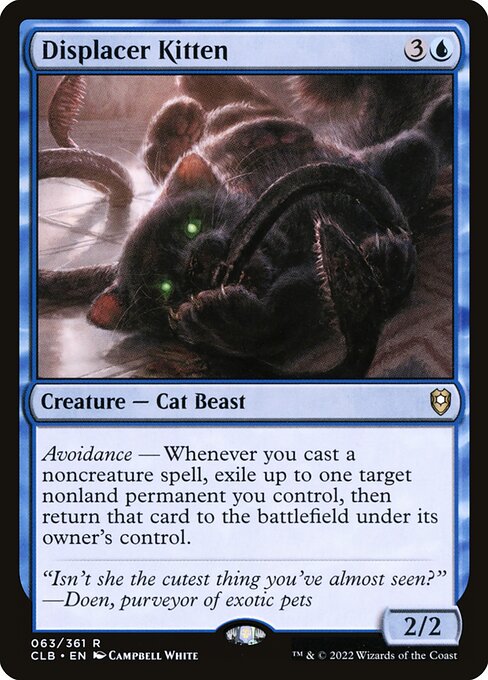
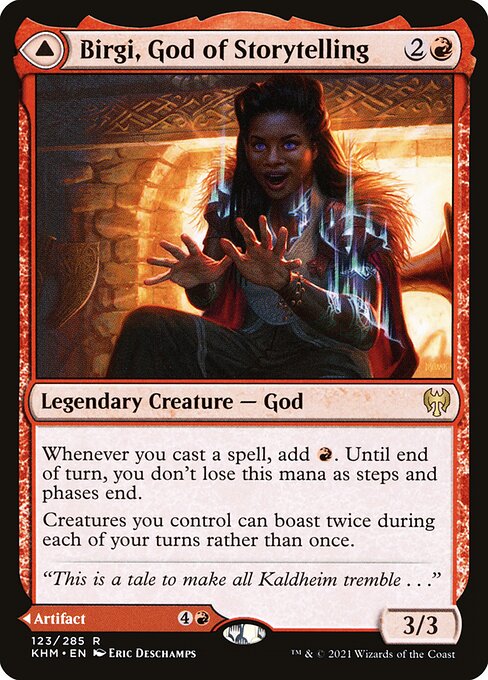
Hallway Heckler's tiny one-damage prepare spell becomes a win condition with two older cards. Displacer Kitten resets Heckler back to prepared every time Vicious Verse is cast, while Birgi refunds the red mana, letting you repeat the one-damage spell until every opponent is dead.
Setup / catch: All three permanents are on the battlefield; Birgi is on its creature face; Hallway Heckler is prepared; {R} is available; it is your main phase with the stack empty so the sorcery prepare spell can be cast.
What to check next: The loop needs all three permanents, Hallway Heckler to be prepared, and one red mana to start. Vicious Verse is a sorcery, so resolve each iteration fully and cast the next copy only when you again have sorcery timing. Removing Hallway Heckler in response to the Kitten trigger, or removing a mana-refund/flicker piece before the next iteration, can stop the loop.
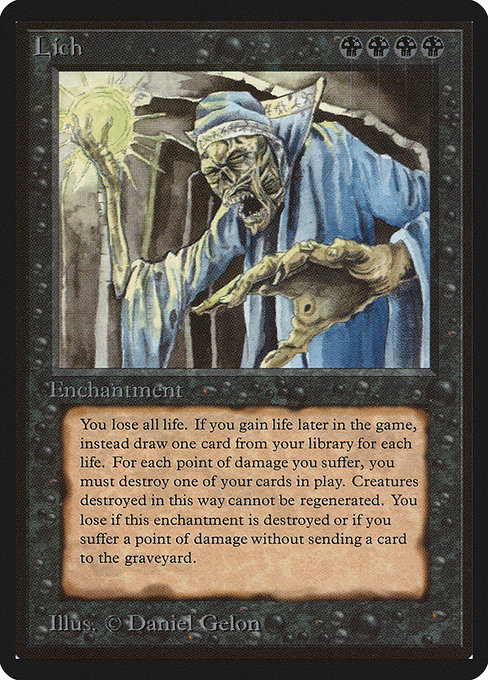
Lich does not double up Niv-Mizzet, Ghost Counsel's draw engine. It replaces the life gain with card draw before the gain happens, so Niv never gets a lifegain trigger from that event.
Setup / catch: Lich must be on the battlefield when you would gain life. Lich replaces the life gain with drawing that many cards, so no life is gained and Niv's 'whenever you gain life' ability does not trigger from that event.
What to check next: Remember that Lich replaces the life gain rather than causing a second event. Niv can trigger only from a life-gain event that actually happens. Also account for Lich's severe drawback if it is put into a graveyard from the battlefield.
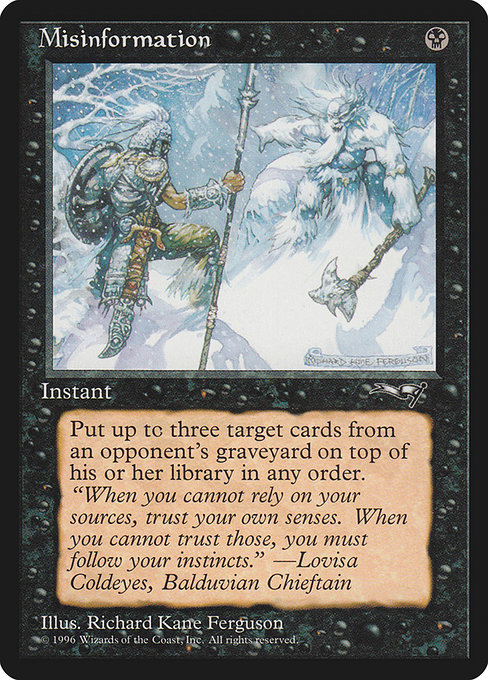
Misinformation can turn Jhoira's normally opponent-dependent hit into a chosen graveyard pickup: respond to Jhoira's trigger, put an opposing historic permanent from that graveyard on top, then let Jhoira reveal it and put it onto the battlefield under your control.
Setup / catch: With Jhoira's enter or attack trigger on the stack targeting an opponent, cast Misinformation to put a historic permanent card from that opponent's graveyard on top of their library.
What to check next: The desired card must already be a historic permanent card in the targeted opponent's graveyard, and graveyard interaction can disrupt the setup before Misinformation resolves. Jhoira still charges life equal to that card's mana value, and cast triggers do not happen because the card is put onto the battlefield rather than cast.
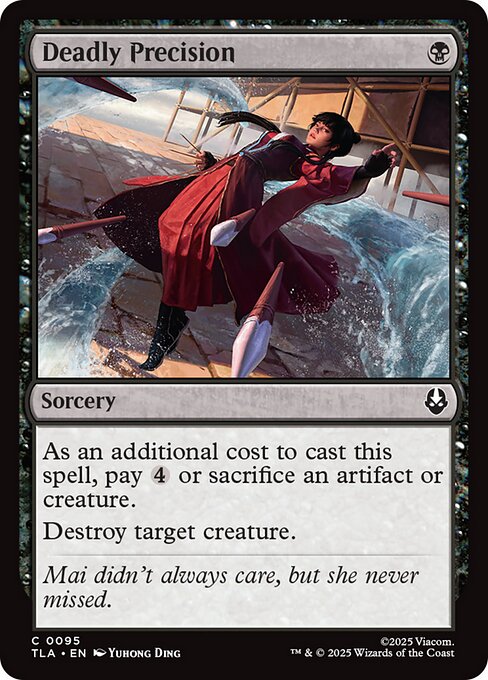
Deadly Precision can supply both creature deaths Darklight Phoenix wants for just {B}: sacrifice one creature to pay the spell’s extra cost, then destroy another. If both deaths happen before your beginning of combat, Phoenix can return from the graveyard.
Setup / catch: Darklight Phoenix in your graveyard. Before combat on your turn, cast Deadly Precision for {B} by sacrificing a creature, then destroy another creature.
What to check next: After Arena release on September 29 and tabletop release on October 2, watch whether Deadly Precision appears in real Darklight Phoenix lists rather than remaining a content-creator option. The key gameplay check is whether the removal target actually dies before combat.
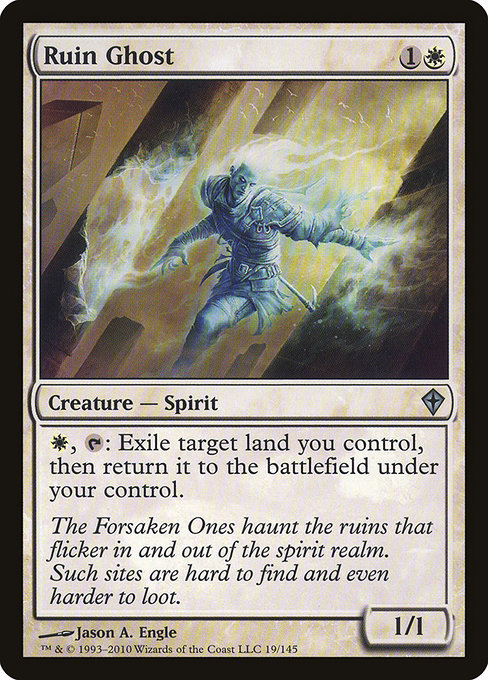
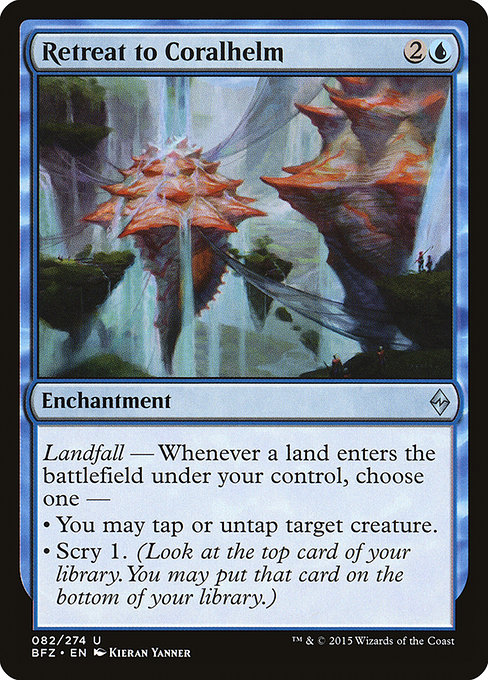
With Nissa, Retreat to Coralhelm, a ready Ruin Ghost, and an untapped Plains, Ghost can blink that Plains, Retreat untaps Ghost, and the returned Plains can pay for the next activation. Nissa draws on every landfall; only the first Nissa resolution that turn also puts a creature from the library onto the battlefield.
Setup / catch: Nissa, Retreat to Coralhelm, an untapped Ruin Ghost and an untapped Plains. Tap the Plains for {W}, blink it with Ruin Ghost, and use Retreat's landfall to untap Ghost; the returned Plains pays for the next activation.
What to check next: Watch for Nissa lists that adopt Ruin Ghost plus Retreat to Coralhelm as a repeatable landfall package, and distinguish actual deck adoption from article discussion. The practical constraint is Nissa’s mandatory draw, so the engine needs a planned stopping point or win condition.
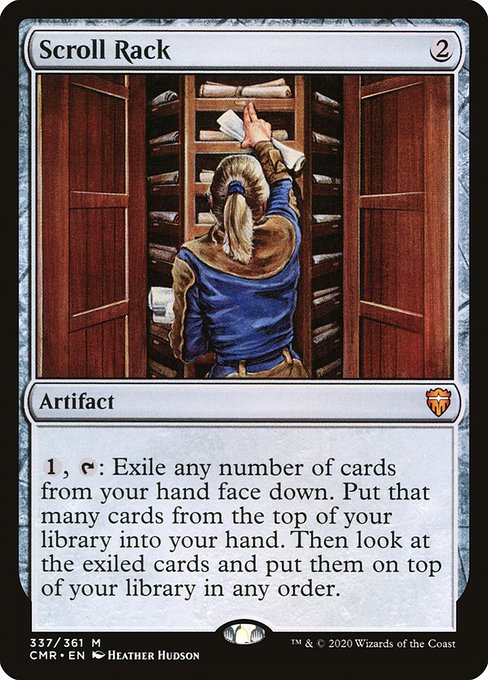
Scroll Rack can turn Jace’s −3 from a curated gamble into a chosen hit. Put the creature or planeswalker you want from your hand on top with Scroll Rack, then exile another creature or planeswalker with Jace to reveal that card first.
Setup / catch: Before Jace's -3, activate Scroll Rack to put a creature or planeswalker card from your hand on top of your library. You need another creature or planeswalker you control to exile.
What to check next: Watch whether Scroll Rack becomes a repeated Jace recommendation outside the current upgrade wave and whether a matching exact printing shows measurable inventory or price movement. The gameplay line itself fails if Jace’s −3 target is removed before resolution.
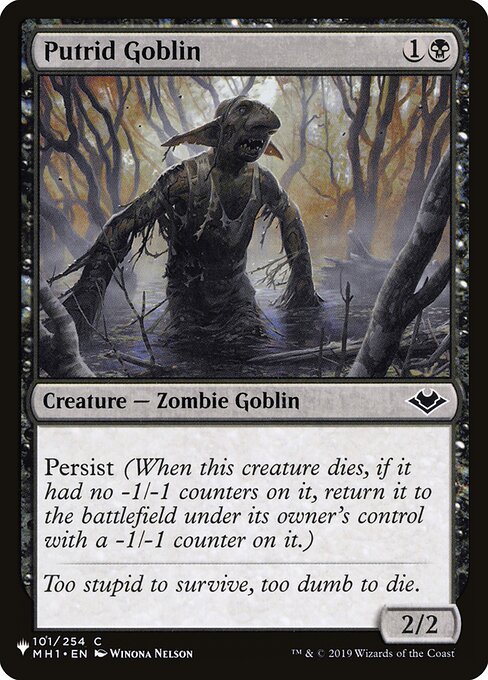
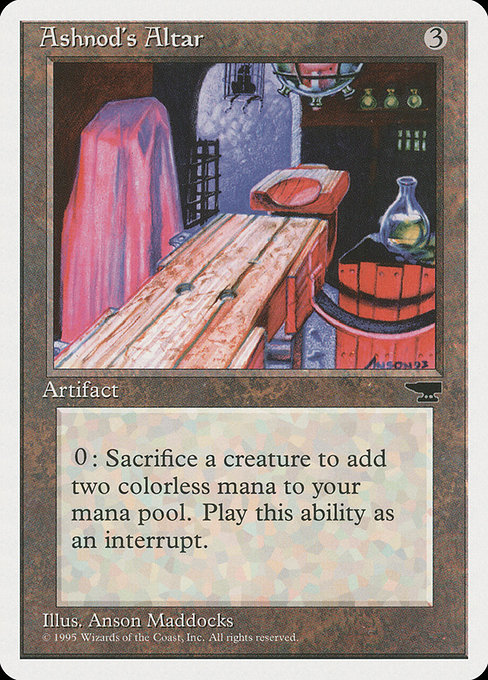
Darksteel Angel can do more than keep you from losing. Its last ability stops -1/-1 counters from being put on your creatures, so a persist creature such as Putrid Goblin can return without the counter that normally shuts persist off. Add Ashnod's Altar and the Goblin can be sacrificed and returned repeatedly for unlimited colorless mana and repeated death, ETB, LTB, and sacrifice triggers.
Setup / catch: Darksteel Angel, Putrid Goblin and Ashnod's Altar on the battlefield under your control. Angel stops the -1/-1 counter persist would add, so the Goblin always returns with no counter.
What to check next: This is a three-card loop and Darksteel Angel costs nine mana, so the practical question is whether decks can cheat or accelerate the Angel into play reliably enough for the persist package to matter. Also confirm Putrid Goblin has no -1/-1 counter before each death and protect the graveyard from interruption.
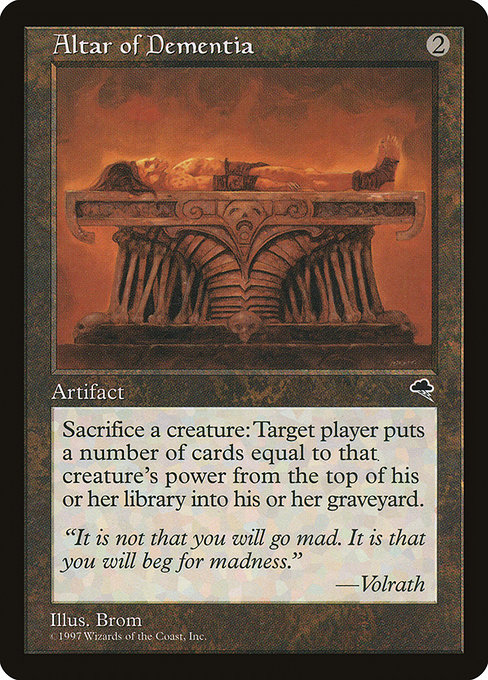
Loot can hit hard in combat while his power is deeply negative, but Altar of Dementia does not get the same conversion. Sacrifice a negative-power Loot to the Altar and it reads his actual last-known power, so the mill result becomes zero instead of turning a large negative number into a large mill.
Setup / catch: Loot's power is negative when he is sacrificed to Altar of Dementia. His positive-power treatment applies only to assigning combat damage.
What to check next: Before using a sacrifice payoff that references Loot's power, check whether it is combat damage or a different effect. Loot's special positive treatment applies only to assigning combat damage; noncombat effects use his real power.
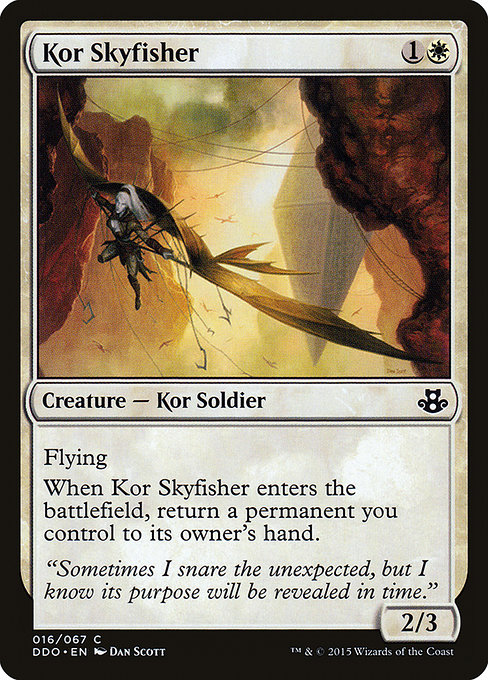
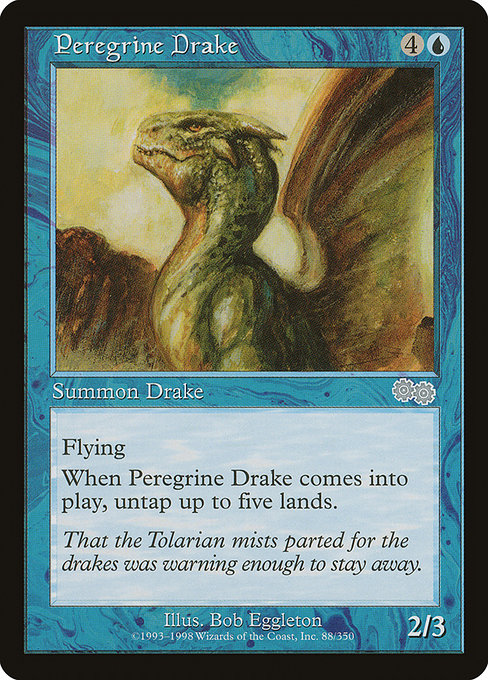
With Flickering Hound and Peregrine Drake in play, Kor Skyfisher can keep recasting itself. Each cast blinks Drake to untap five lands before Skyfisher returns itself, so five ordinary lands with a white source produce unbounded mana.
Setup / catch: Flickering Hound and Peregrine Drake on the battlefield, Kor Skyfisher in hand, and at least five lands including a white source.
What to check next: Watch Commander and cEDH lists for Hound adoption over established blink engines.
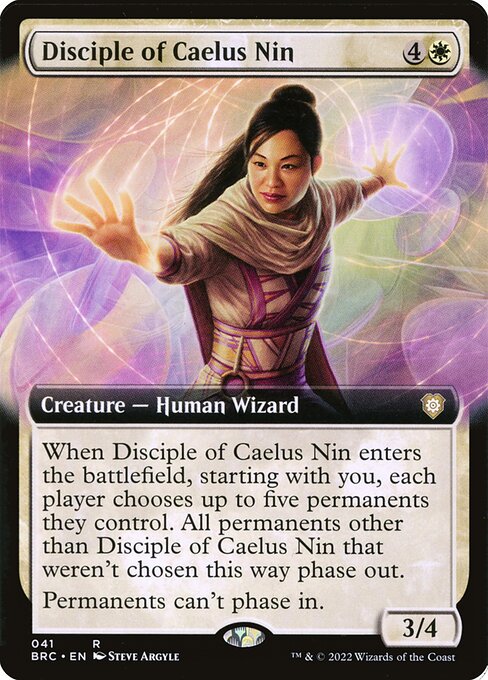
Teferi’s Reproach normally buys one turn by phasing out an opponent’s nonlands. Disciple of Caelus Nin can stop those permanents from phasing back in, so the defense becomes a persistent lock while Disciple survives.
Setup / catch: Disciple of Caelus Nin already on the battlefield, then Teferi's Reproach targeting an opponent to phase out their nonland permanents.
What to check next: Check whether Multiverse Reforged upgrade lists repeatedly add Disciple alongside Reproach.
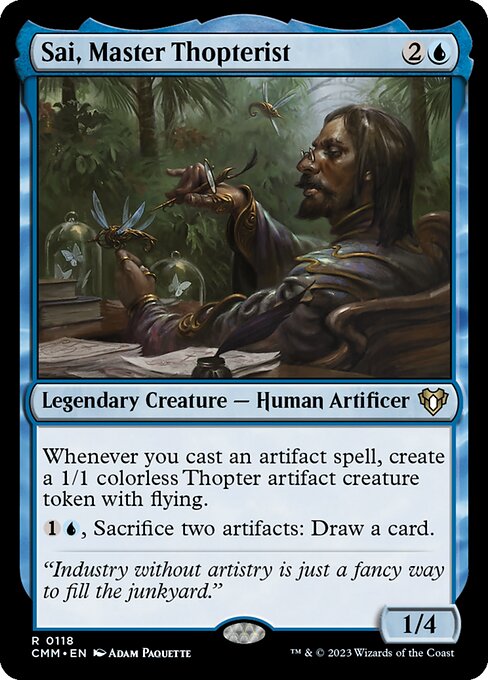
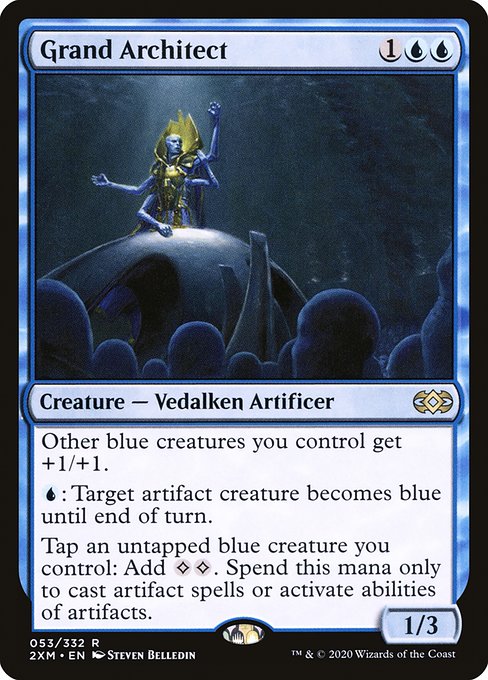
Sai makes a Thopter whenever you cast an artifact, and Grand Architect can turn that new token blue for {U}. The fresh Thopter can then tap immediately for {C}{C} toward another artifact spell or artifact ability.
Setup / catch: Sai and Grand Architect on the battlefield. After casting an artifact, pay {U} to make Sai's new Thopter blue.
What to check next: Watch whether other Keen Engineering upgrade lists independently converge on Grand Architect after release; keep any later market check version-specific.
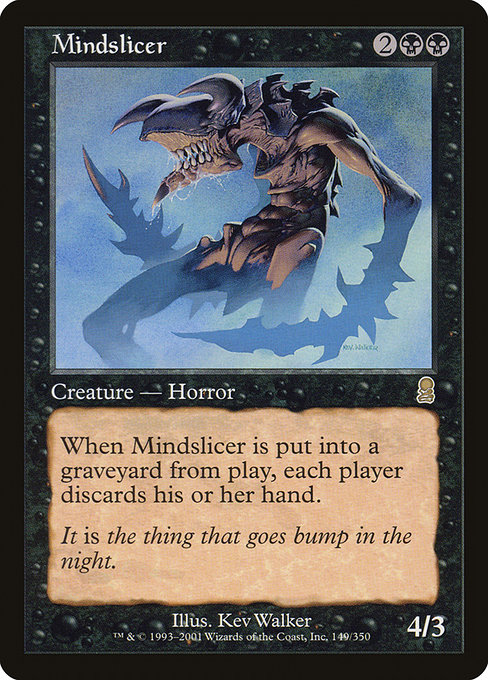
With Avacyn and a reusable sacrifice outlet, Mindslicer can empty every hand after a player's draw and return at that turn's end step, turning an old one-shot discard creature into a repeatable Commander engine.
Setup / catch: Avacyn, Mindslicer and a reusable sacrifice outlet. Sacrifice Mindslicer after an opponent draws and before that turn's end step.
What to check next: The engine requires a reusable sacrifice outlet and correct timing. Sacrificing Mindslicer after an opponent draws but before the end step lets Avacyn schedule its return for that turn's end step. If the beginning of the end step has already passed, the return waits for the following end step. Graveyard hate, exile effects, or losing access to Avacyn before future sacrifices can break the repeated line.
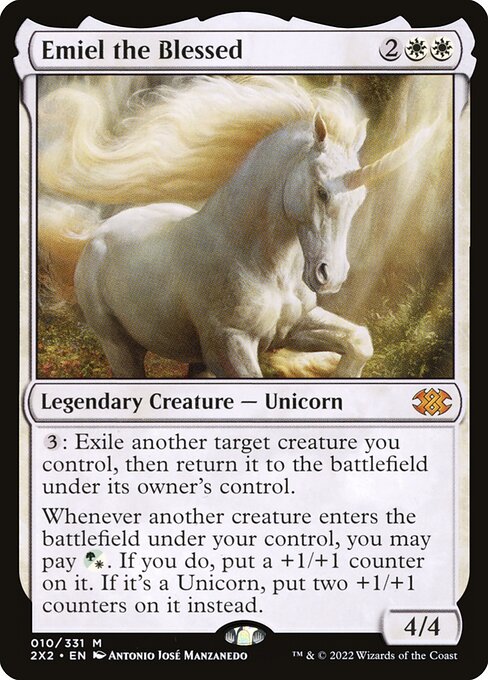
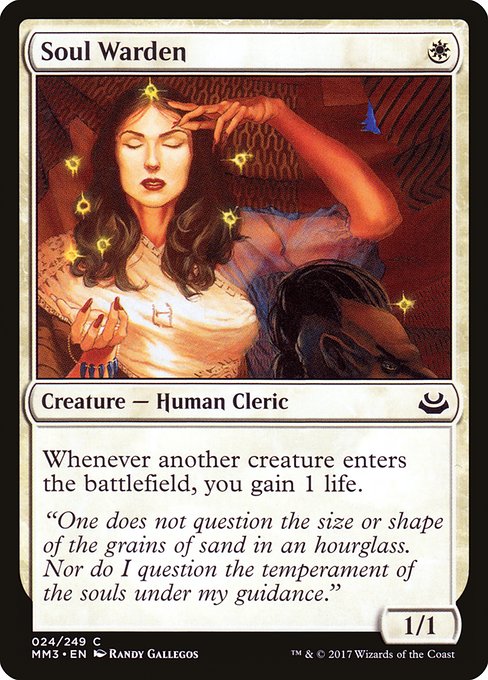
With Kwia Vigorbloom, Emiel the Blessed, and Soul Warden in play, a Kwia lifegain trigger makes a Lotus that produces the three mana needed to blink Kwia with Emiel. Kwia returns as a new object, Soul Warden gains life again, and the new Kwia can make another Lotus; the loop repeats, but it does not make net mana by itself and still needs a payoff for repeated entries or lifegain.
Setup / catch: Kwia, Emiel and Soul Warden on the battlefield, and one Lotus from Kwia's lifegain trigger.
What to check next: Watch whether Emiel begins appearing consistently in submitted Kwia lists and whether players converge on a repeatable-event payoff. Market tracking should follow only after exact versions show measurable price or inventory changes.
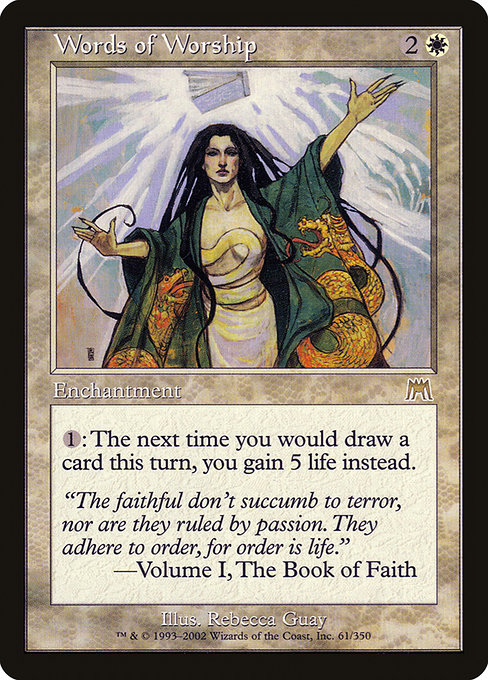
Words of Worship can replace a draw with 5 life, which triggers Niv-Mizzet, Ghost Counsel and lets you pay that 5 life to draw five cards. If you spend another mana on Words before that Niv trigger resolves, one of those five draws becomes another 5 life and another Niv trigger while the other four cards are still drawn; the loop can continue only while you can keep paying the activation cost and have cards left to draw.
Setup / catch: Niv and Words of Worship on the battlefield. Activate Words for {1} before a draw so that draw becomes 5 life.
What to check next: Recheck TCGplayer near-mint sales and listings together with CardTrader seller depth for Onslaught #61. The key question is whether TCGplayer’s higher condition-aware quote persists while other marketplaces remain near the older level.
If Dack Fayden, Helping Hand reveals Venser, Fervent Forger, Venser enters under your control and is then handed to an opponent before its trigger is put on the stack. That lets the trigger target the donated Venser, make two token copies, and keep generating new Venser enters triggers; you still need a useful opponent-controlled permanent or another payoff to turn the loop into a win.
Setup / catch: Dack's enter trigger must reveal Venser. Venser enters under your control and is handed to an opponent before its own trigger goes on the stack, and you still control that trigger.
What to check next: Watch post-prerelease and release-week Commander lists for repeated Dack-Venser use and whether players add top-deck setup or tutors to make the line less random. Keep any later price or inventory reaction exact-print specific.
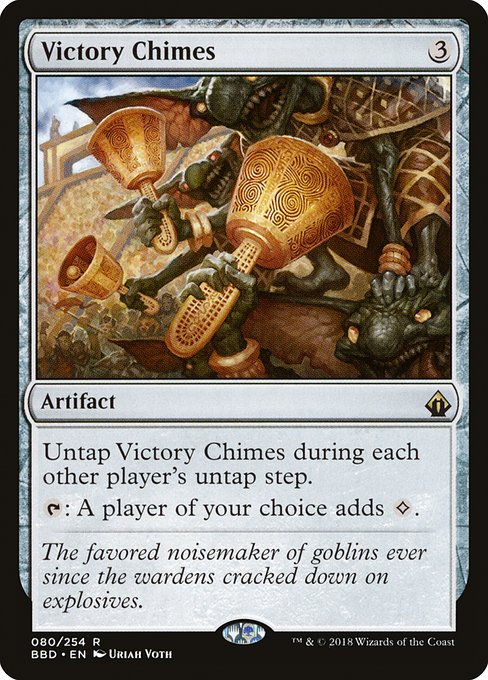
Victory Chimes can make mana on every player's turn, and Omnath lets you keep each activation—up to four banked colorless mana per rotation in a typical four-player pod.
Setup / catch: Omnath and Victory Chimes under your control. Tap Chimes on every player's turn, choosing yourself to add {C}.
What to check next: Confirm Omnath remains under your control through the turns where mana is being banked; if Omnath leaves, that stored mana will be lost normally at the end of the current step or phase unless spent.
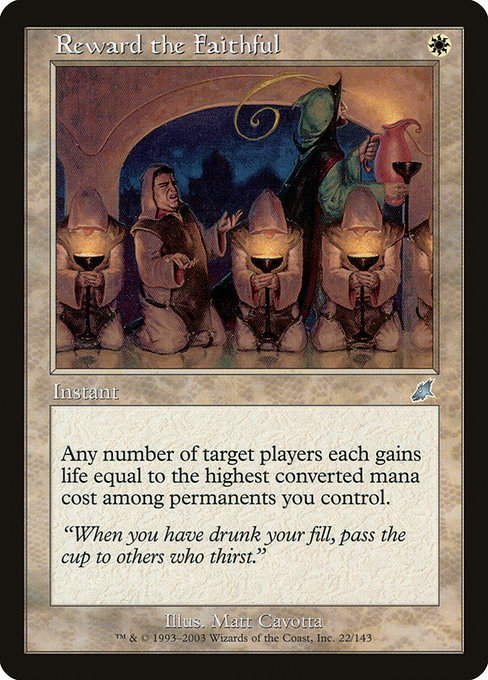
With the six-mana Niv-Mizzet, Ghost Counsel already in play, Reward the Faithful can turn one white mana into six cards. Target yourself, gain six life, then choose to pay it through Niv’s trigger.
Setup / catch: Niv on the battlefield. Cast Reward the Faithful for {W} targeting yourself; you gain life equal to the greatest mana value among your permanents, at least 6 with Niv.
What to check next: Niv must be in play when you gain the life. Removing him before Reward resolves stops his draw trigger; the spell is much weaker without him.

 Hallway Heckler // Vicious Verse
 Displacer Kitten
 Birgi, God of Storytelling // Harnfel, Horn of Bounty